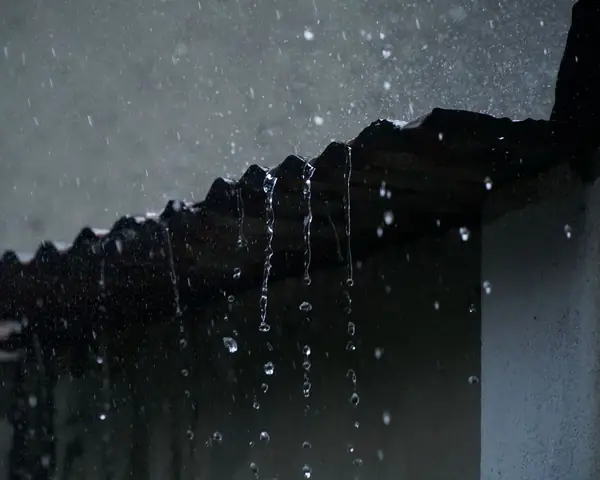
Georgia, city by city
Find water damage restoration near you in Georgia.
One free call connects you with an independent local water damage provider in Georgia.
Free to call. No obligation to hire anyone.
- A referral service, not a contractor
- One number reaches independent local providers
- Mitigation, flood, burst pipe and mold
- Eight Georgia city pages, Athens to Savannah
Cities and services
Pick your city or your problem
Eight city pages are built on local river gauges, tide records and utility rules, and four service pages each explain one kind of job. Or skip the reading, call, and describe what you are seeing to a local provider.

Athens
Two forks of the Oconee and many homes built before 1980.
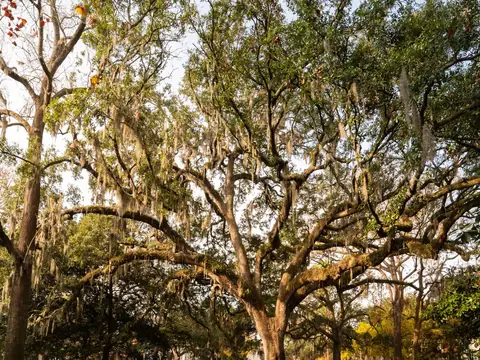
Savannah
Tides, canals and storm surge on the Georgia coast.
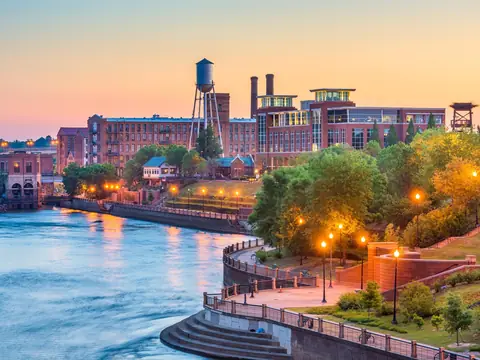
Columbus
A Chattahoochee river city where the Piedmont meets the Coastal Plain.
Alpharetta
Big Creek, its greenway and a 7 foot flood stage.
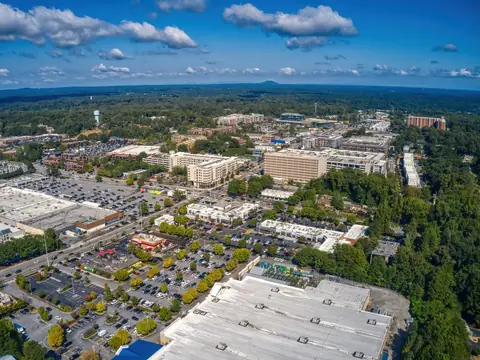
Sandy Springs
Atlanta water, Fulton County sewer: who to call for what.
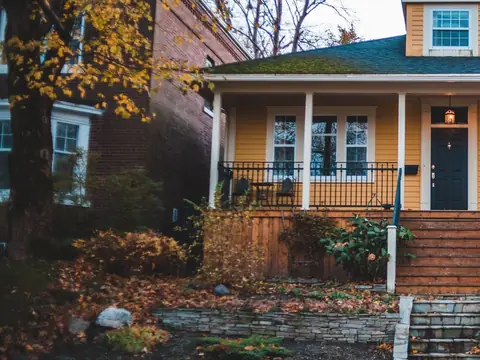
Decatur
A city split by the Eastern Continental Divide.
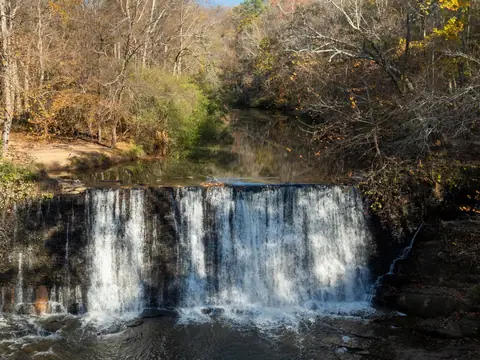
Roswell
City water for some addresses, Fulton County for the rest.
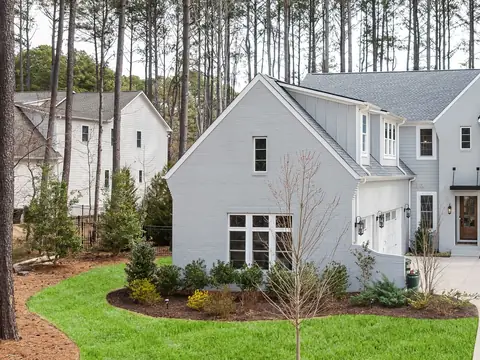
Duluth
Homes mostly from the 1980s and 1990s, more than half of them attached.
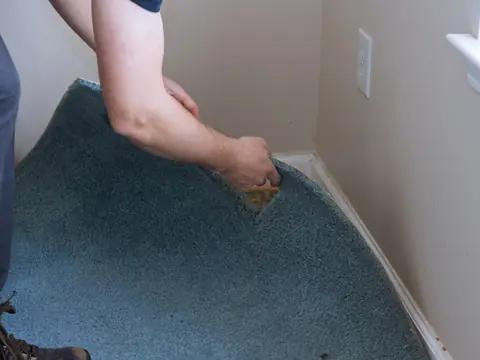
Water mitigation
Stopping the damage and starting the drying in the first days.
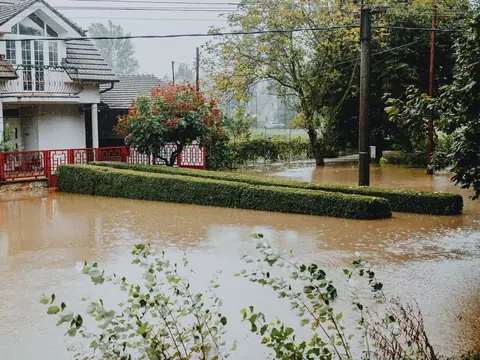
Flood damage restoration
Rising water, contaminated materials and how flood claims differ.
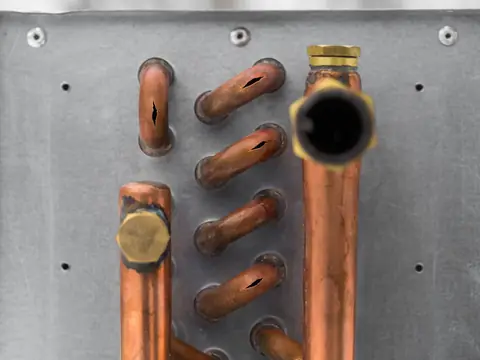
Burst pipe water damage
Shut-off, dry-out and what a freeze does to Georgia plumbing.
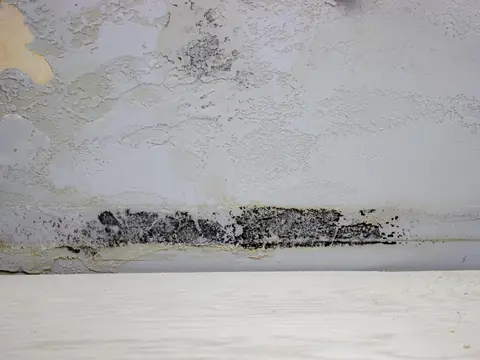
Mold remediation
Growth after a leak, and what Georgia does and does not regulate.


First steps
Water where it should not be? Do these things first
The first hour is about safety and stopping the flow. These steps come from federal agencies and Consumer Reports, and each one can be done before anyone arrives.
- Stop the water if it is from plumbing. Close the main shut-off valve. Consumer Reports says it is usually at the water meter or where the main line enters the house.
- Leave the power alone unless you can reach it dry. The CDC says to switch off the main power only if the panel can be reached from a dry place, and never to switch anything on or off while standing in water. If reaching the panel means stepping into water, its advice is to call an electrician.
- Photograph before you move anything. The joint federal guide for homeowners and renters puts documentation ahead of cleanup: contact the insurance company and photograph the home and belongings.
- Stay out of floodwater and anything that may hold sewage. Ready.gov warns that floodwater can be contaminated and can hide dangerous debris. EPA’s instruction is not to set up fans until the water is known to be clean.
- Move what you safely can. FEMA’s advice is to take wet furniture, rugs, bedding and carpeting out of the wet area.
The CDC’s page on returning to a flooded home has the full electrical guidance. It also says that a smell of gas means closing the main gas valve, opening the windows and leaving the house at once.
What happens when you call
GA Water Damage is a referral service that connects callers by phone with independent local water damage restoration providers, and it is not a restoration contractor. The call costs nothing. The provider who takes the job sets the scope, the price and the schedule, and any agreement is between you and that provider.
It helps to have four things ready: the address, where the water came from, whether it has been stopped, and roughly how many rooms are wet. Checking the provider’s license and insurance is your job as the customer, and the licensing section further down this page shows how to do it in Georgia. The how GA Water Damage works page says more about the service itself.
Water stopped, photos taken? Call and describe what you are seeing to a local provider.
The work
From extraction to rebuild: what restoration covers
Water damage restoration is the whole job of getting a wet building dry, clean and repaired. The trade standard is the IICRC S500, now in its Fifth Edition (2021). What follows describes what independent providers generally do, and the provider you are connected with decides the method for your building.
- Finding the water. Moisture meters and infrared imaging are the instruments used to locate water behind walls, under floors and in ceilings.
- Extraction. Standing water is pumped or vacuumed out. EPA’s first listed action for carpet soaked by clean water is a water extraction vacuum.
- Removing what cannot be dried. FEMA describes cutting soaked wallboard out to one foot above the water mark, and EPA’s action for wet fiberglass or cellulose insulation is to discard and replace it.
- Drying. Air movers push air across wet surfaces while dehumidifiers bring the humidity of the room down. A dry standard is set for each type of material and drying continues until readings reach it. A 2007 trade magazine summary of the S500 describes checks at least once a day.
- Cleaning, then disinfecting. FEMA notes that disinfectants are meant for surfaces that have already been cleaned.
- Repairs and rebuild. Drywall, flooring and finishes go back once the structure is dry.
Three words get searched separately. Mitigation is the insurance term for the reasonable steps taken after a loss to stop further damage. Restoration, as the S500 uses the word, is wider and takes in drying, structural work and contents. Repair is the rebuild trade work. The water mitigation in Georgia page covers the first of these in depth.
One point surprises people: the S500 states that finding and correcting the source of the water is the property owner’s responsibility, not the restorer’s.
Three categories of water
| Category | What it means | Typical sources |
|---|---|---|
| Category 1, clean water | From a sanitary source | A broken supply line, a tub or sink overflow |
| Category 2, gray water | Significant contamination that can cause illness if touched or swallowed | Dishwasher or washing machine discharge, a sump pump failure |
| Category 3, black water | Grossly contaminated | Sewage, seawater, rising water from rivers or streams |
A category is not fixed. Clean water left sitting can deteriorate to Category 2 or 3 depending on time, temperature and the growth of microbes. The category decides what can be kept, since EPA’s table of materials that can be dried and saved applies to clean water only, and it moves the price. Rising water from a creek or river is the subject of the flood damage restoration in Georgia page.
Not sure which category you are looking at? Call and describe the source to a local provider.
Georgia weather
How Georgia gets wet, region by region
Georgia’s water damage does not come from one direction. NOAA’s state climate summary puts annual precipitation at more than 70 inches in the mountainous northeast corner against around 45 inches in the southeast and center. The state emergency agency, GEMA/HS, calls thunderstorms the most common type of natural disaster in Georgia.
- The coast. At Fort Pulaski, near Savannah, the storm tide reached 12.56 feet above mean lower low water in Hurricane Matthew on October 8, 2016, and 12.24 feet in Tropical Storm Irma on September 11, 2017.
- Tropical rain inland. Georgia’s 24-hour rainfall record, 21.10 inches, was set at Americus on July 6, 1994 during Tropical Storm Alberto. GEMA/HS records that the storm killed 34 people and displaced more than 50,000.
- East Georgia. Hurricane Helene’s storm rainfall reached 12.37 inches near Evans, in the Augusta area, in September 2024. FEMA’s disaster declaration DR-4830-GA followed on September 30, 2024.
- South Georgia. The eye of Hurricane Michael crossed into Seminole County on October 10, 2018, still a Category 3 hurricane with 115 mph winds. During Idalia in August 2023 the National Weather Service reported many water rescues in Valdosta.
- Metro Atlanta creeks and rivers. In the September 2009 floods the highest 24-hour rain total was 21.03 inches, measured at the Douglas County Water and Sewer Authority. More than 20,000 buildings took major damage, 16,981 of them residences.
- Freezes. On December 24, 2022 the low was 8 F in Atlanta, 7 F in Athens and 13 F in both Columbus and Macon.
NOAA notes that hurricanes rarely make direct landfall in Georgia, but the remnants of tropical systems bring heavy rain and strong wind to the state. A frozen line that splits is its own subject, covered on the burst pipe water damage in Georgia page.
Why a wet house is slow to dry here
NOAA describes Georgia’s climate as long, hot and humid summers with short, usually mild winters. That matters indoors. The Georgia Department of Public Health advises keeping humidity in the home below 60 percent, ideally between 30 and 50, to prevent mold. FEMA’s guidance is to open a house to outside air when the humidity outdoors is lower than indoors. On a muggy Georgia day that condition is not met, which leaves the drying to dehumidifiers and air movers.
One common belief deserves a correction. Red clay is often blamed for water that will not go away, yet the USDA rates the Cecil series, the red clay soil mapped across the Piedmont, as well drained. Growth that follows a leak is the subject of the mold remediation in Georgia page.
Storm, creek or frozen pipe, the call is the same: describe what happened to a local provider.
City by city
Eight Georgia cities, and what is different about each
The number on this site can be called from anywhere in Georgia. Eight cities have their own page here, each built on local records, because what puts water in a house in Savannah is not what does it in Alpharetta.
- Athens. The city sits on two forks of the Oconee River. The USGS gauge on the Middle Oconee near Athens peaked at 18.36 feet on January 10, 2024, and about 42 percent of Athens-Clarke County’s housing units were built before 1980. See water damage in Athens, GA.
- Savannah. The National Weather Service says shallow coastal flooding typically begins when the tide at Fort Pulaski reaches 9.5 feet. In August 2025 the tide there passed that mark on two days running while a stalled front brought heavy rain. See water damage in Savannah, GA.
- Columbus. The Chattahoochee at 14th Street has a flood stage of 27 feet, and it crested above that at least once in every year from 2018 to 2025. At that level the National Weather Service says portions of the River Walk begin to flood. See water damage restoration in Columbus, GA.
- Alpharetta. Flood stage on Big Creek near Alpharetta is 7 feet. The creek reached 10.77 feet on September 27, 2024, during Hurricane Helene. See water damage restoration in Alpharetta, GA.
- Sandy Springs. Water comes from the City of Atlanta’s Department of Watershed Management and the sewer system is maintained by Fulton County. The city states that it is not a utility provider, so it is worth knowing who to report to before a pipe fails. See water damage restoration in Sandy Springs, GA.
- Decatur. The Eastern Continental Divide runs through the city along the CSX tracks. Land north of it lies in the Peachtree Creek basin and drains toward the Chattahoochee, and land south of it drains toward the South River. See water damage restoration in Decatur, GA.
- Roswell. The city’s own water utility supplies about 18,500 residents, and Fulton County serves the remaining 80 percent of the city. Fulton County also runs every sewer line. See water damage restoration in Roswell, GA.
- Duluth. Census estimates show 58 percent of the city’s housing was built between 1980 and 1999, and more than half of its homes are attached to another home. In attached housing, water from one unit can reach the unit next to it or below it. See water damage restoration in Duluth, GA.
Not on the list? The call works the same way from any Georgia address, although whether a provider is available depends on the location.
Wherever the building is in Georgia, tap the button and say what you are seeing.
Cost and insurance
Who sets the price, and what insurance usually covers
GA Water Damage sets no prices and gives no quotes. The provider prices the job after seeing it.
Five things move a real bill: the area affected, the water category, the materials that got wet, how long the water sat and how much has to be rebuilt.
Homeowners coverage and flood coverage
The National Association of Insurance Commissioners describes the plumbing loss a homeowners policy pays for as a discharge that is both sudden and accidental. The Insurance Information Institute adds that a policy will not pay for damage due to lack of maintenance, and that a typical policy does not cover sewer backups unless that coverage was bought as a separate product or an endorsement.
Flooding is separate. Georgia’s Office of Commissioner of Insurance says a standard homeowners policy covers damage from high winds and tornadoes but not from flooding, and that flood coverage is a separate policy bought through the National Flood Insurance Program. GEMA/HS reminds Georgians that flood insurance takes 30 days to go into effect.
After a loss, the same office tells policyholders to contact their agent or insurer immediately and to protect the property from further damage. Its Consumer Services Division answers insurance questions and helps resolve disputes between policyholders and insurers. Nothing here is advice on an individual claim, because your own policy’s wording decides what is paid.
For a price on your own damage, call and ask the provider you are connected with for a written estimate.
Before you hire
Georgia licenses, and how to check a provider
The footer of this site says it is the homeowner’s responsibility to verify that a hired contractor has the license and insurance the work requires. In Georgia that takes some explaining, because the Georgia sources reviewed for this page name no state license specific to water damage restoration or mold remediation. The Department of Public Health says indoor air quality is not a regulated program in Georgia.
What the state does license is the trade work a restoration job can include. Residential contracting is licensed, and plumbers, electricians and conditioned air contractors each need a state license of their own. The Attorney General’s office says drywall contractors, painters and repair handymen are not required to hold one.
- Ask the provider which licenses apply to your job, and for the license numbers.
- Go to sos.ga.gov, choose Licensing, click Licensee Search, open the Building & Contractors tab and select Residential and General Contractors. The Attorney General’s Consumer Ed site sets out these steps, and the contractor Board says the search works by name or license number.
- Ask for proof of general liability insurance and check that the name on it matches the licensed person or business, as the Board advises.
- Get a written contract that sets out the work, the materials, the final cleanup, a completion date and a payment schedule.
Warning signs after a storm
The Georgia Attorney General’s storm alerts tell homeowners to avoid door-to-door offers of home repair work, and warn against any contractor who asks for full payment up front, takes only cash or refuses to give a written contract. An offer to pay your insurance deductible can also be the sign of a scam.
Emergency and 24/7 water removal
People search for emergency, same-day and 24/7 water removal because water rarely arrives at a convenient hour. Those words describe what some participating providers offer, not a promise from this site. Availability depends on provider participation, location, technician availability and demand, and no arrival time is given here.
Call to be connected with a local provider, then check the license and insurance before anything is signed.
How it works
From water on the floor to a provider on the phone
- Call the numberTap the call button. The call is free, and it connects you with an independent water damage restoration provider that takes calls for your part of Georgia.
- Say what you are seeingGive the address, where the water came from if you know, whether it has been stopped, and roughly how many rooms are wet.
- Deal directly with the providerThe provider sets the scope, the price and the schedule, and any agreement is between you and them. Check their license and insurance before work starts. GA Water Damage does none of the work.
Local conditions
Georgia homes and water, in four figures
Four numbers from public sources that help explain why water damage in Georgia is handled the way it is.
- 85.7 percent on slabsIn 2024, 85.7 percent of new single-family homes started in the Census Bureau’s South Atlantic division, which includes Georgia, were built on slabs, by the National Association of Home Builders’ count. That is new construction across nine states, not Georgia’s existing homes.
- 24 to 48 hoursThe Georgia Department of Public Health says mold can grow within 24 to 48 hours where a wet surface or material is not dried or discarded promptly. Its example is water from a burst pipe.
- 584 communitiesGeorgia’s Environmental Protection Division reports 584 communities taking part in the National Flood Insurance Program across all 159 counties. Property owners can look up a flood risk snapshot for a property at georgiadfirm.com.
- A peak in 3-inch rainsNOAA’s state climate summary says the number of 3-inch extreme precipitation events in Georgia varies from period to period but reached its highest level in 2015 to 2020.

Questions
Questions people ask about water damage in Georgia
Is GA Water Damage a restoration company?
No. GA Water Damage is a referral service, not a restoration contractor. It does not dry, clean, repair or inspect buildings, and it holds no contractor license. When you call the number on this site you are connected with an independent local water damage restoration provider. Any visit, estimate, contract, warranty and payment is between you and that provider, so verify their license and insurance before you agree to any work.
Is it free to call, and who does the work?
The call is free and there is no obligation to hire anyone. The work is done by the independent provider you are connected with, not by GA Water Damage. That provider sets the scope, the price and the schedule. Have the address ready, along with where the water came from, whether it has been stopped and roughly how many rooms are wet.
What work is covered by the words water damage restoration?
The whole job of returning a wet building to a dry, clean and repaired state. In practice that means locating the water with moisture meters and infrared imaging, extracting standing water, removing materials that cannot be dried, drying with air movers and dehumidifiers, cleaning and disinfecting, then repairs. The trade standard, the IICRC S500, also lists structural restoration, HVAC restoration and contents among its parts. The water mitigation in Georgia page covers the early stages.
What is the difference between water mitigation and restoration?
Mitigation is the insurance term for the reasonable steps taken after a loss to stop further damage, which in practice means stopping the source, extracting the water and starting the drying. Restoration is wider: as the IICRC S500 standard uses the word, it takes in drying, structural restoration, HVAC restoration and contents. Repair is the rebuild work that follows. Which stages a job needs is for the provider and the property owner to settle.
What is the average cost of water damage repair, and what makes it higher or lower?
Only a provider who has seen the damage can price it. Five things move a real bill: the area affected, the water category, the materials that got wet, how long the water sat and how much has to be rebuilt. Ask the provider you are connected with for a written estimate.
Does a water damage restoration contractor need a license in Georgia, and how do I check it?
The Georgia sources reviewed for this page name no state license specific to water damage restoration. The state does license trades a job can include: residential contracting, general contracting, plumbing, electrical work and conditioned air work. To check a contractor, go to sos.ga.gov, choose Licensing, then Licensee Search, and open the Building & Contractors tab. Ask for proof of general liability insurance as well.
What should I look for in a restoration company?
Paperwork first. Ask which state licenses apply to your job and check them at sos.ga.gov. The Residential and General Contractors Board advises asking for proof of general liability insurance, checking that the name on it matches the licensed person or business, and getting a written contract with a completion date and a payment schedule. The Georgia Attorney General warns against any contractor who asks for full payment up front, takes only cash or refuses to give a written contract.
Do you need a license for mold remediation in Georgia?
None of the Georgia sources reviewed for this page names a state license or certification specific to mold remediation, and the Department of Public Health says indoor air quality is not a regulated program in Georgia. A joint federal guide from the CDC, EPA, FEMA, HUD and NIH suggests looking for a professional affiliated with or certified by NEHA, AIHA, the IICRC or the ACAC. The mold remediation in Georgia page has more.
Which kinds of water damage does a Georgia homeowners policy pay for, and is flood included?
Your policy’s wording decides, but the general pattern is this. The NAIC describes the covered plumbing loss as a discharge that is sudden and accidental, and the Insurance Information Institute says damage due to lack of maintenance is not paid. Flooding is not included: Georgia’s Office of Commissioner of Insurance says flood coverage is a separate policy through the National Flood Insurance Program, and an NFIP policy takes effect 30 days after purchase.
How long does drying take, and why does Georgia humidity matter?
There is no fixed number. FEMA’s brochure says a wet area usually takes two to three days to dry completely. Drying is finished against a target for each material, not a calendar. Humidity matters because FEMA advises opening a house to outside air when it is less humid outdoors than indoors, and NOAA describes Georgia’s summers as long, hot and humid.
How fast can mold start after a leak?
The Georgia Department of Public Health says mold can grow within 24 to 48 hours where a wet surface or material is not dried or discarded promptly, and EPA gives the same window for drying water-damaged areas. EPA also notes that the 48-hour mark is a guideline, not a guarantee either way: mold does not always appear after it, and may have started even in materials dried inside that time.
Do providers take calls overnight and on Sundays, and which parts of Georgia are covered?
You can call from anywhere in Georgia. Whether a provider is available at a given hour varies: 24/7 and same-day service depend on provider participation, location, technician availability and demand, and are not guaranteed. This site gives no response time. It has dedicated pages for eight cities, from water damage in Athens, GA to water damage in Savannah, GA, and the call works the same way elsewhere in the state.
Water where it should not be in Georgia?
One free call, no forms to fill in. You are connected with an independent local provider, and whether you hire them is your decision.